Chitta Drug Addiction in India: What It Is, How It Spreads, and How to Get Help
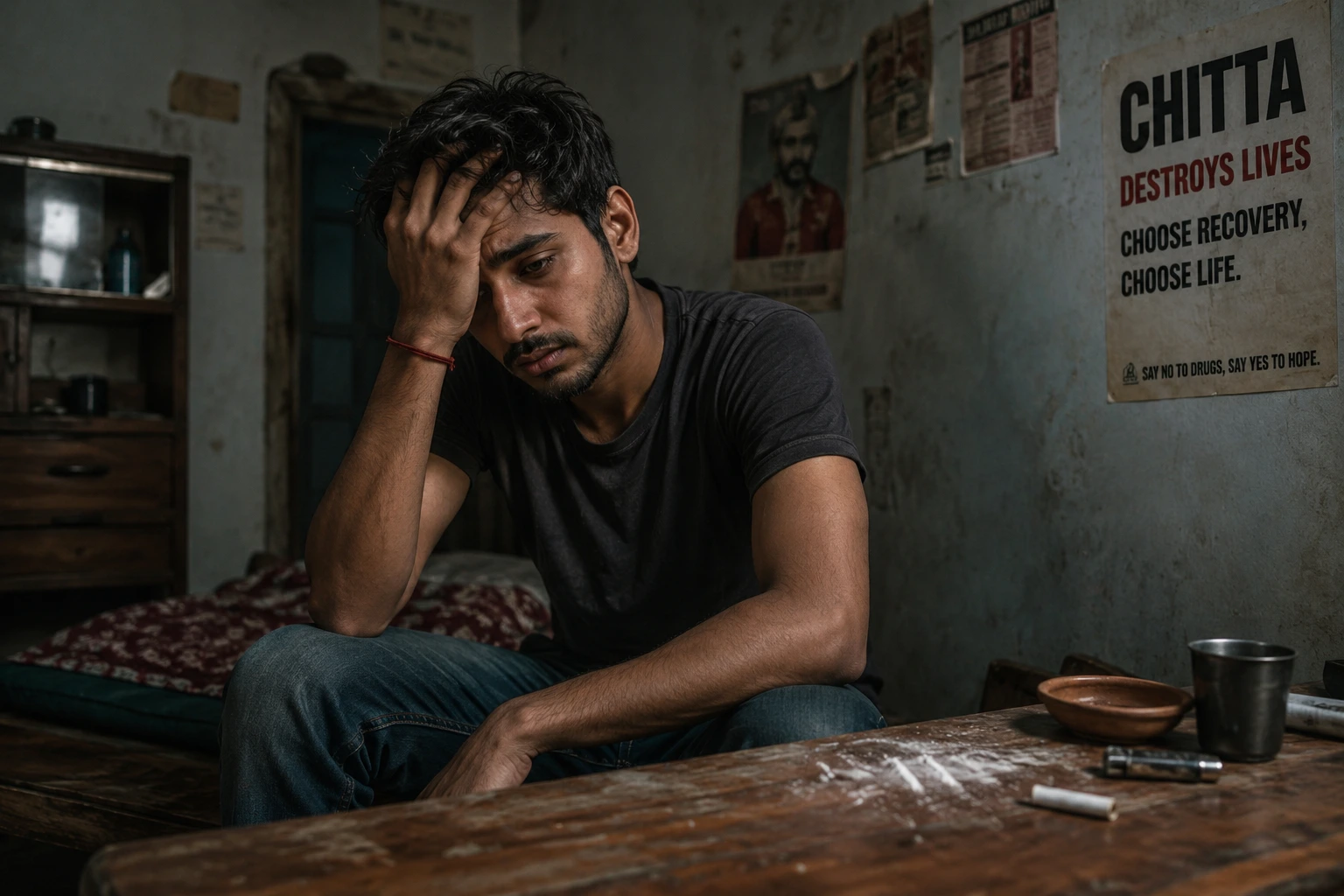
Across Punjab and Himachal Pradesh, families are losing their sons and daughters to a drug that many of them had never even heard of five years ago. Chitta, the local name for heroin, has quietly spread from border towns into villages, college campuses, and middle-class households. Understanding what chitta drug is, why it spreads so fast, and what recovery actually looks like is no longer optional information for people in North India. It may be the most important thing a parent, sibling, or friend reads this year.
What Is Chitta Drug? Understanding the Basics
Chitta is the street name for heroin (diacetylmorphine) widely used across North India, particularly in Punjab and Himachal Pradesh. It typically appears as a white or off-white powder and is a highly refined, extremely addictive opioid derived from morphine.
The word chitta simply means "white" in Punjabi, referring to the colour of the powder. Chemically, it is diacetylmorphine, the same substance sold globally as heroin. What makes the chitta circulating in North India particularly dangerous is that it is almost always adulterated, meaning it has been cut with other chemical substances during the supply chain. Forensic analysis of chitta seized in Himachal Pradesh has found combinations of heroin with compounds such as trimethoprim and other pharmaceutical agents, making it far more unpredictable than what any user expects.
Because the purity and composition of chitta varies from batch to batch, the risk of accidental overdose is extraordinarily high. An amount that one person survives can kill another, depending entirely on what the drug has been mixed with and in what proportions.
Chitta is classified as a Schedule I narcotic under India's Narcotic Drugs and Psychotropic Substances (NDPS) Act, 1985. Possession, sale, purchase, or consumption is a serious criminal offence. The Act also provides for treatment and rehabilitation of addicts, which is why seeking help carries legal protection under Indian law.
How Widespread Is Chitta Drug Addiction in India Right Now?
The scale of the problem across North India has grown far beyond what most people realize. These figures come from government data, police records, and clinical studies.
Punjab, with its 553-kilometre border with Pakistan, has borne the worst of this crisis for longer. But Himachal Pradesh is now tracking the same trajectory at speed. Between January and November 2025, the Himachal Pradesh police registered 1,967 NDPS cases, a 28 percent increase over the same period in 2024. Districts like Mandi, Shimla, and Bilaspur have emerged as significant hotspots. Alarmingly, even the remote tribal districts of Lahaul-Spiti and Kinnaur, which had virtually zero reported cases five years ago, are beginning to see chitta appear.
Clinical data from Shimla's Indira Gandhi Medical College found that among patients arriving at OPDs who admitted drug dependency, 44 percent were specifically addicted to heroin. A 2020 survey of 1,150 inmates at de-addiction centres across Himachal found that chitta had surpassed cannabis as the primary drug of dependency among people between 15 and 30 years of age.
Surveys reveal that 55 to 60 percent of the youths, most of them college and school-going teenagers, are either drug abusers, addicts, or even peddlers in badly affected districts.
India Narrative, December 2025The financial toll on families is also severe. Research estimates that an active chitta user in Punjab spends an average of Rs 1,400 per day to maintain their dependency. With no legal income to support that habit, many young people are drawn into theft, burglary, and drug peddling. Families have reported youth assaulting parents and grandparents to steal money or jewellery. This is not a fringe situation. It is happening in ordinary homes across the region.
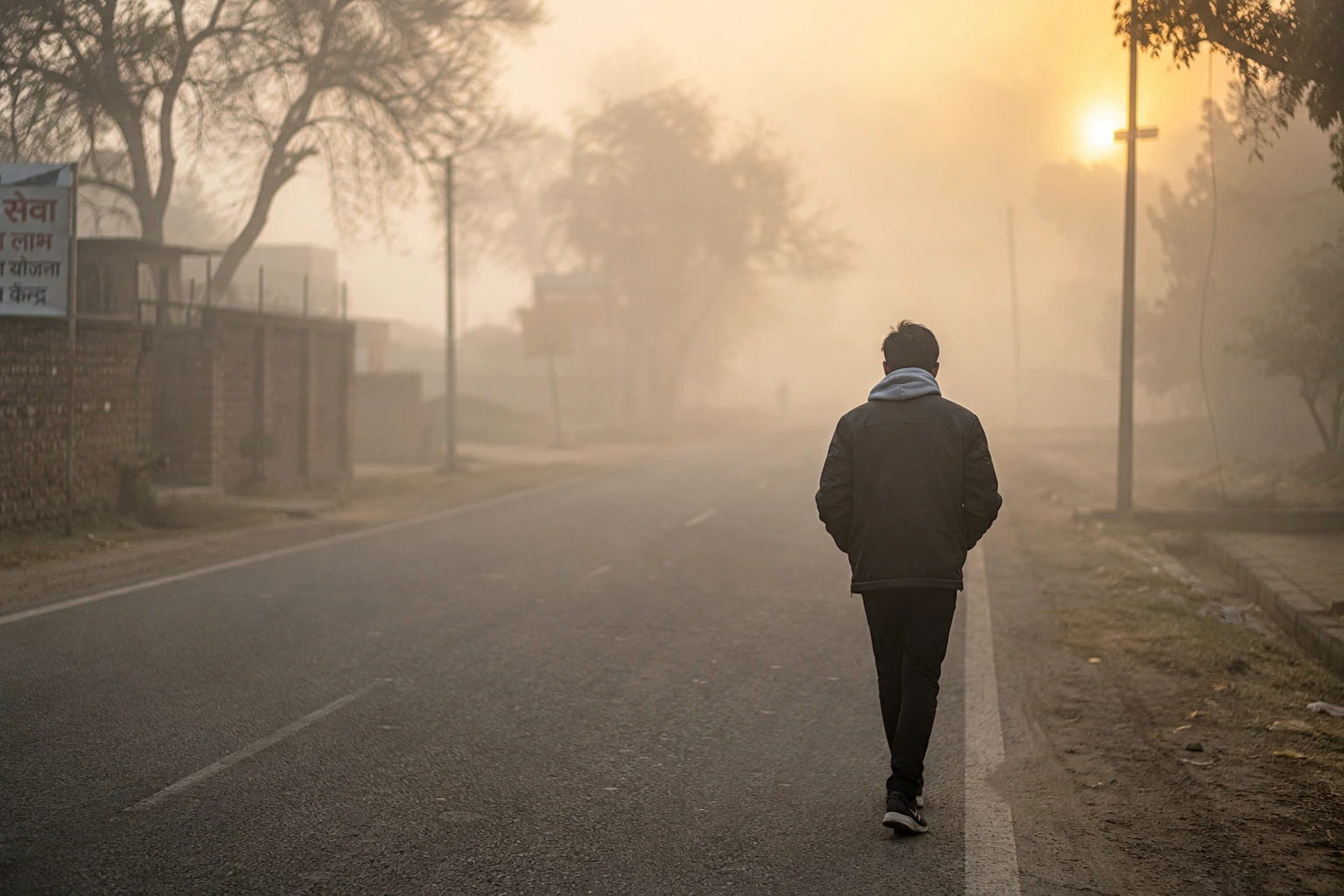
Chitta addiction is not a problem confined to cities or borders. It has reached villages, schools, and middle-class families across Punjab and Himachal Pradesh.
Where Does Chitta Drug Come From? The Smuggling Routes Into India
Heroin does not originate in India. It enters the country through two well-documented international trafficking routes that have operated for decades and have become increasingly sophisticated.
The Golden Crescent
Afghanistan, Iran, and Pakistan form the Golden Crescent, the world's largest opium-producing region. Heroin processed here moves across Pakistan and enters India primarily through Punjab's long border. This is the main source of chitta sold across North India and Himachal Pradesh.
The Golden Triangle
Myanmar, Laos, and Thailand form the Golden Triangle in Southeast Asia. Heroin from this region reaches India through the northeastern states and finds its way to Delhi and other major cities, where it is sometimes distributed as a different composition of chitta than the Punjab variety.
Smugglers have adapted significantly in recent years. Drones are now routinely used to drop drug consignments across the Punjab border from Pakistan, making interception far harder for border security forces. Local courier networks, including women and young people who are themselves sometimes addicted, are used to break large consignments into smaller deliveries that are harder to trace.
Once inside Punjab, the drug moves quickly into Himachal Pradesh. Because chitta from Punjab is mixed with different adulterants than chitta distributed from Delhi, forensic scientists at the State Forensic Science Laboratory in Shimla have found that the Punjab-sourced variety is significantly more dangerous. Regular use of this composition for even three to four months can cause platelet counts to fall below 10,000, a level that can be fatal.
Why Himachal Pradesh is particularly vulnerable: HP's expanding road connectivity, tourism industry, and proximity to Punjab have all made it easier for trafficking networks to establish footholds. Peddlers have found that tourists provide both cover and a market. And because local awareness is still catching up with the scale of the problem, many young people in smaller towns and villages have encountered chitta before they understood what it was.
How People Use Chitta Drug and Why Overdose Deaths Are So Common
Chitta is consumed in more than one way, and the method matters enormously for how quickly dependency develops and how high the risk of a fatal outcome becomes.
Many people, particularly first-time users, begin by inhaling the drug after heating it on a surface. This method is perceived as less serious or less dangerous, which is part of why it functions as a gateway. The reality is that heroin enters the body in significant quantities regardless of how it is consumed, and physical dependency begins developing quickly, often within days of regular use.
Injecting chitta directly into a vein produces a far more intense effect because the drug reaches the brain almost immediately. This carries the highest risk of overdose because there is almost no margin for error in the amount used, and because the adulterated, variable composition of street chitta makes every injection unpredictable. A batch that is slightly more potent than the previous one, or mixed with different compounds, can kill someone who survived the same dose the day before.
Shared needles between injecting users also create a serious secondary health crisis. HIV, Hepatitis B, and Hepatitis C all spread rapidly through injecting drug use communities, which is a documented and growing concern across Punjab. Research published in peer-reviewed medical journals estimates that among opioid-dependent people in Punjab, approximately 28 percent are injecting drug users.
Heroin suppresses the part of the brain that controls breathing. In an overdose, breathing slows and then stops. Because chitta is adulterated with unknown substances in unknown quantities, there is no safe dose. A person who has used chitta regularly can still overdose on a new batch. Tolerance drops rapidly after any period of abstinence, which means people who relapse after detox are at extremely high risk of a fatal overdose if they return to the same amount they used before stopping.
Warning Signs of Chitta Drug Dependency in Someone You Know
Heroin dependency can be well-hidden in its early stages. Families often report that they had no idea until the addiction was already severe. These are the signs to look for.
-
Sudden change in social circle and withdrawal from familySomeone who was close to family begins avoiding meals, conversations, and family gatherings. New friendships appear, and the person becomes secretive about where they are going and who they are with.
-
Unexplained money problemsMoney begins disappearing from the household. Personal items, valuables, or family jewellery go missing. The person borrows money repeatedly and cannot explain where it has gone.
-
Physical changes that happen quicklySudden and noticeable weight loss. Eyes that appear pinpoint-small or glassy. Persistent flu-like symptoms including running nose, sweating, and nausea that appear when the person has not used. Falling asleep at inappropriate times.
-
Extreme mood swings tied to availabilityCalm and manageable when they have access to the drug. Agitated, aggressive, or physically unwell when they do not. This pattern of "withdrawal sickness" is a clear indicator of physical dependence.
-
Abandonment of responsibilities and interestsDropping out of education. Leaving jobs. Loss of interest in hobbies, sport, relationships, and things that previously mattered. The entire focus of daily life shifts toward obtaining and using the drug.
-
Track marks or burn marks on the skinIf injection use has begun, marks may appear on the inner arm. If the person is smoking or inhaling it from a heated surface, burn marks or staining may appear on fingers.
Why Chitta Drug Addiction Is So Difficult to Break Alone
One of the most damaging myths around chitta addiction is that it is a matter of willpower. Families sometimes believe that if a person loved them enough, they would simply stop. This misunderstanding causes enormous suffering on both sides.
Heroin is among the most physically addictive substances known to medicine. When someone uses it regularly, the brain's own opioid system fundamentally changes. The brain stops producing its natural pain-relieving and pleasure-related chemicals at normal levels because it has been overwhelmed by the drug. When chitta is removed, the brain goes into a severe state of distress that produces physical withdrawal symptoms including intense pain, nausea, vomiting, insomnia, and crushing anxiety. Many people relapse not because they want to use, but because withdrawal feels unbearable and the drug immediately ends that suffering.
Psychological dependency runs alongside the physical. Many people who develop chitta addiction are carrying unaddressed mental health difficulties, whether that is depression, unprocessed trauma, social isolation, or anxiety. The drug provides temporary relief from that pain. Without proper psychological support that addresses those underlying causes, the risk of relapse remains extremely high even after successful physical detoxification.
This is where counseling and psychological support become genuinely essential parts of recovery, not optional extras. Detox addresses the body. Therapy addresses the person. Both are needed. If you are trying to understand more about the emotional and psychological side of what someone in addiction is carrying, our article on signs of anxiety you might not realize you have explains how unrecognized mental health struggles often sit beneath substance use.
What Families of Chitta Drug Users Should Know and Do
If someone you love is using chitta, the situation is serious, and your response matters. Here is practical guidance for families navigating this.
-
Do not wait and hope it resolves on its ownChitta addiction rarely improves without professional intervention. The longer it continues, the harder recovery becomes and the greater the risk of overdose. Acting early is always better than waiting.
-
Approach with care, not confrontationShame and aggression make disclosure less likely and increase the risk the person will pull further away. Coming from a place of concern rather than anger, even when you are frightened and furious, creates more possibility for genuine conversation.
-
Contact a professional before staging any interventionA trained addiction counselor or psychologist can help you understand how to approach your family member and avoid escalation. Unplanned confrontations can sometimes make things worse.
-
Do not give money without understanding where it goesGiving money to someone actively using chitta without any support structure in place will almost always fund the addiction. Practical support, such as food, medical appointments, and emotional presence, is more useful than cash.
-
Look after yourself and the rest of the family tooAddiction affects every person in the household. Siblings, parents, and partners often carry enormous fear, grief, and exhaustion. Counseling support for the family, not only the person who is using, is a legitimate and important part of the recovery process.
Recovery from Chitta Drug Addiction: What the Process Actually Looks Like
Recovery is possible. That is not empty reassurance. It is a clinical and documented reality for thousands of people who have come through heroin addiction with the right support. What recovery requires is honesty about the process.
Medical Detoxification
The first stage is medically supervised withdrawal, which should always happen in a clinical setting, not at home. Withdrawal from heroin can be physically severe and occasionally dangerous. Doctors use medications including buprenorphine and buprenorphine-naloxone combinations to manage withdrawal symptoms safely and reduce cravings during this phase. The National Drug Dependence Treatment Centre at AIIMS, New Delhi, is India's foremost authority on addiction treatment and has established clinical protocols used across the country's de-addiction network.
Psychological Support and Counseling
Detox removes the physical dependency. It does not address why a person began using or what they will return to afterward. Cognitive Behavioural Therapy (CBT), individual counseling, and family therapy are all evidence-supported approaches for helping people understand their patterns, build coping strategies, and rebuild relationships damaged by addiction. This phase is often where long-term recovery is truly built or lost.
Ongoing Aftercare and Relapse Prevention
Relapse is common in the early months of recovery and does not mean treatment has failed. It means the person needs more or different support. Regular follow-up counseling, peer support groups, and family involvement all significantly improve long-term outcomes. Recovery is not a single event. It is an ongoing process that gets more stable with time and the right support.
Opioid Substitution Therapy (OST) is available in India at registered treatment centres and involves medication that reduces cravings and prevents withdrawal without producing the dangerous high of street heroin. It is a medically endorsed approach recommended by the World Health Organisation and used successfully in multiple Indian states. If someone you know is in active addiction, ask a psychiatrist or addiction specialist about whether OST might be appropriate as a harm reduction bridge to full recovery.
Common Questions About Chitta Drug Addiction in India
Yes. Chitta is the North Indian street name for heroin, specifically diacetylmorphine. It typically appears as a white or off-white powder, which is where the name comes from, since chitta means white in Punjabi. The street version is almost always adulterated with other chemical compounds, which makes its potency and composition unpredictable and significantly increases the risk of overdose and other health complications.
Physical dependency can begin to develop within days of regular use. Heroin acts on opioid receptors in the brain that are central to how the body experiences pain, pleasure, and stress regulation. The brain adapts quickly to the presence of the drug, and when it is removed, withdrawal symptoms begin. Psychological dependency, meaning the emotional reliance on the drug to manage feelings or situations, often develops alongside the physical. Many people who try chitta casually are physically dependent within weeks.
Yes. Opioid addiction, including chitta addiction, is a treatable medical condition. India has a growing network of government-run de-addiction centers, AIIMS-affiliated treatment centres, and private rehabilitation facilities. Treatment typically involves medically supervised detoxification followed by psychological support and aftercare. Recovery rates improve significantly when treatment is sought early and when there is sustained family support alongside professional care.
Attempting to withdraw from heroin without medical supervision is dangerous and rarely successful. The physical symptoms of withdrawal are severe enough to drive most people back to using within hours. Medical facilities can manage withdrawal safely with medications that reduce both the physical symptoms and the cravings. Home detox without medical oversight puts both the person and the family at risk. A medically supervised setting, even a government hospital with a psychiatry or de-addiction unit, is far safer than attempting it alone.
Call emergency services (112) immediately. Signs of a heroin overdose include very slow or stopped breathing, blue lips or fingertips, unresponsiveness, and very small pupils. Do not leave the person alone. Lay them on their side if they are unconscious to prevent choking. Do not give them water or food. Time is critical in an overdose situation. The national drug helpline 1800-11-0031 can also provide immediate guidance if you are unsure what to do.
India's Mental Healthcare Act 2017 and provisions under the NDPS Act recognize addiction as a health condition requiring treatment. Seeking de-addiction treatment at a registered government or private facility is protected and encouraged under Indian law. While possession and trafficking carry serious criminal penalties, pursuing medical help for addiction is not treated as a criminal act. Families should not let fear of legal consequences prevent them from seeking help.
Yes. Both states have government-run de-addiction facilities at district hospitals and medical colleges that provide free or subsidized treatment. Punjab has a network of Outpatient Opioid Assisted Treatment (OOAT) clinics. The national toll-free helpline 1800-11-0031 can direct you to the nearest available facility. IGMC Shimla has a dedicated psychiatry and de-addiction service. District hospitals across Himachal Pradesh also have referral pathways to treatment.
Helplines and Emergency Contacts for Chitta Drug Addiction in India
Toll-free, 24 hours. Ministry of Social Justice and Empowerment.
For medical emergencies and overdose situations. Available 24 hours.
National Institute of Mental Health and Neurosciences, Bangalore.
24-hour mental health and crisis support helpline across India.
Psychosocial support helpline, Mon to Sat, 8 am to 10 pm.
National Drug Dependence Treatment Centre, All India Institute of Medical Sciences, New Delhi.
Chitta Drug Addiction Is a Crisis. Recovery Is Also Real.
Thousands of families across Punjab and Himachal Pradesh are living through what this article has described. The fear, the grief, the confusion, and the shame are all real. So is the possibility of recovery.
Chitta addiction is not a moral failure. It is a medical condition with psychological dimensions that respond to proper treatment. The longer it goes without intervention, the harder the path becomes. The earlier support is sought, whether through a helpline, a hospital, a de-addiction centre, or a counselor, the better the outcome.
If you are a parent who suspects something but is not yet sure, trust that feeling and make one call. If you are a young person who knows someone using chitta, you can be the person who helps them take that first step. And if you are someone in addiction who is reading this, please know that help exists, it works, and you do not have to continue this way.
You do not have to navigate addiction alone.
We are here to help.
At Vaishalya Healing in Palampur, Himachal Pradesh, we offer counseling support for individuals and families affected by addiction, anxiety, and mental health difficulties. In person and online across India.
Book a Free Consultation Explore Our ServicesVisit the Clinic
Vaishalya Healing, Palampur
Himachal Pradesh, India
In-person and online sessions available
Related Reading
More articles on mental health, addiction, and emotional wellbeing in the Indian context:
Online Counseling India
Qualified counseling support accessible from anywhere in India, including rural Himachal Pradesh.
Counseling
Help Center
Contact Us
Office Timings: Monday to Saturday, 10:00 AM to 5:00 PM
Address: Mohal Gugga Saloh
Tehsil Palampur, Distt. Kangra
Himachal Pradesh - 176102
Email: help@vaishalyahealing.com
Phone/WhatsApp: +91 7018148449