
Vaishalya Healing by Leena Mehta
Chitta Addiction
Treatment and Counselling
in Mandi
Professional psychological counselling for chitta (heroin) addiction, opioid dependency, cannabis and alcohol de-addiction for individuals and families across Mandi district. Sessions available for clients in Mandi town, Sundernagar, Jogindernagar, Sarkaghat, Rewalsar, Karsog and all surrounding areas. Backed by direct Himachal Pradesh rehabilitation centre experience. Sessions in Hindi and English.
Chitta and Drug Addiction in Mandi District
Mandi Has the Highest Number of Drug Cases in All of Himachal Pradesh. Families Here Know That Better Than Any Statistic Can Say.
In 2025, Mandi district registered 297 NDPS cases, the highest of any district in Himachal Pradesh. 475 people were arrested. The police confiscated over a kilogram of chitta (heroin) alongside significant quantities of charas, opium and prohibited tablets. These are official numbers. The unofficial reality, the number of families in Mandi town, Sundernagar, Jogindernagar and the rural blocks of the district who are quietly dealing with chitta dependency without telling anyone, is significantly larger.
Chitta enters Mandi through a well-established route. It arrives from Punjab via the national highway and river valley corridors that run through the district. Mandi's geography, positioned between Kullu and Kangra and connected by major roads, makes it both a transit point and a destination. The drug is sold at prices that have become accessible enough to reach young people across income levels. A college student in Mandi town borrowed and stole money to fund his doses. A young man from a farming household in Sarkaghat began using through peer networks at college. These are not isolated cases from police records. These are patterns that are visible to anyone paying attention in Mandi district.
Chitta is synthetic heroin, significantly more potent and more addictive than cannabis or alcohol. Clinical studies at IGMC Shimla showed that 44 per cent of drug-dependent patients presenting at the OPD were specifically addicted to heroin, making it the single most common substance requiring treatment in Himachal Pradesh. Physical dependency develops within days to weeks of regular use. The withdrawal is severe enough that most users cannot stop without medical support. And the psychological hold, the emotional emptiness, the identity built around the substance, the relationships damaged beyond repair, continues long after the physical detox is done.
That psychological layer is where professional counselling makes the difference. Physical detox at a nasha mukti kendra or rehabilitation centre manages the body. Counselling addresses the mind, the emotional reasons behind the addiction, the triggers that survive detox, and the identity work that makes sustained recovery possible.
Mandi led all of Himachal Pradesh with 297 NDPS cases and 475 persons arrested in 2025, the highest figures of any district in the state. 1.079 kg of chitta was confiscated in Mandi district alone that year. Chitta enters Mandi via Punjab through Kangra and Mandi districts specifically, according to forensic and police data. Clinical data from IGMC Shimla shows 44% of drug-dependent hospital patients are specifically heroin addicted. NDPS cases across Himachal rose 28% in 2025 compared to 2024, with Mandi at the centre of the surge.
Tribune India, Mandi NDPS Data December 2025 | Outlook India HP Drug Report 2025 | IGMC Shimla Clinical Data | HP Police NDPS Statistics 2025What brings families in Mandi district to Vaishalya Healing
- A family member using chitta or heroin in Mandi town or surrounding areas
- Relapse after a nasha mukti kendra or rehabilitation programme in Mandi
- Cannabis, charas or bhang use that has moved into daily dependency
- Prescription drug or cough syrup misuse that has gotten out of control
- Alcohol dependency affecting the household and relationships
- A young person in Sundernagar, Jogindernagar or Sarkaghat who refuses to go to a nasha mukti kendra
- Needing psychological support alongside an ongoing detox or rehabilitation programme
- A family that does not know how to talk to or support their addicted member
- Someone who has been through multiple rehabilitation attempts and keeps returning to chitta
- Poly-substance use where chitta is being combined with alcohol or other drugs
Supporting Your Wellness Journey
De-Addiction Counselling
Structured psychological counselling for individuals in Mandi district dealing with chitta heroin, opioid, cannabis, alcohol or prescription drug dependency. Works on the emotional and psychological drivers of addiction, the triggers, thought patterns and unresolved pain that keep pulling people back to using even after they physically stop.
More Details
Family Counselling for Addiction
Chitta addiction does not only destroy the person using. It reshapes the entire family. Parents who have not slept properly in months. Spouses holding everything together while dealing with the grief of watching someone they love disappear. Family counselling gives everyone in the household the support and understanding they need alongside the recovery work.
More Details
Relapse Prevention Counselling
For individuals in Mandi who have completed a nasha mukti kendra programme and are back in daily life. This is the most critical period for relapse. Ongoing counselling builds the specific psychological tools needed to handle triggers, cravings and the high-risk situations that exist in Mandi's environment, and is the most significant factor in whether chitta recovery holds long-term.
More Details
Individual Counselling
Anxiety, depression, trauma, grief, unemployment and a sense of purposelessness are frequently what lies beneath chitta addiction in Mandi district. Many people who struggle with substance use have never had a space to address what started it. Individual sessions work on both the addiction and the emotional reality that feeds it.
More Details
Couple Counselling
When chitta or heroin addiction has damaged trust, communication and the daily reality of a relationship in Mandi district, couple sessions help both partners understand what happened and find a way forward. Includes post-rehab couple work for when one partner has completed a nasha mukti programme and both people are navigating what comes next.
More Details
Teen and Youth Counselling
For teenagers and young people in Mandi, Sundernagar and Jogindernagar who have started using chitta, cannabis or other substances and need a genuinely private space to be honest about what is happening without fear of immediate consequences or everything going straight to their parents or the police.
More Details
Stress and Anxiety
Unemployment, economic uncertainty and social pressure in Mandi district are consistent drivers of substance use among young people. Addressing the anxiety and stress directly is often more effective at reducing substance use than treating the addiction alone. Sessions work on both the underlying cause and the coping pattern it created.
More Details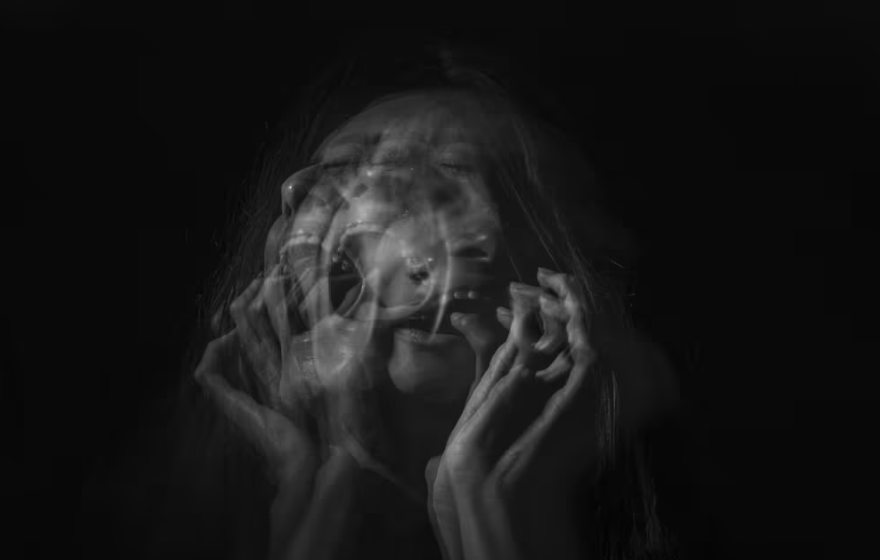
Anger Management
Active addiction and post-detox recovery periods frequently involve severe anger problems that damage family relationships and increase relapse risk. Anger management counselling works on the emotional regulation issues underneath, which in the context of chitta addiction recovery is directly relevant to preventing the conflict cycles that trigger relapse in Mandi households.
More Details
The Psychologist Behind Vaishalya Healing
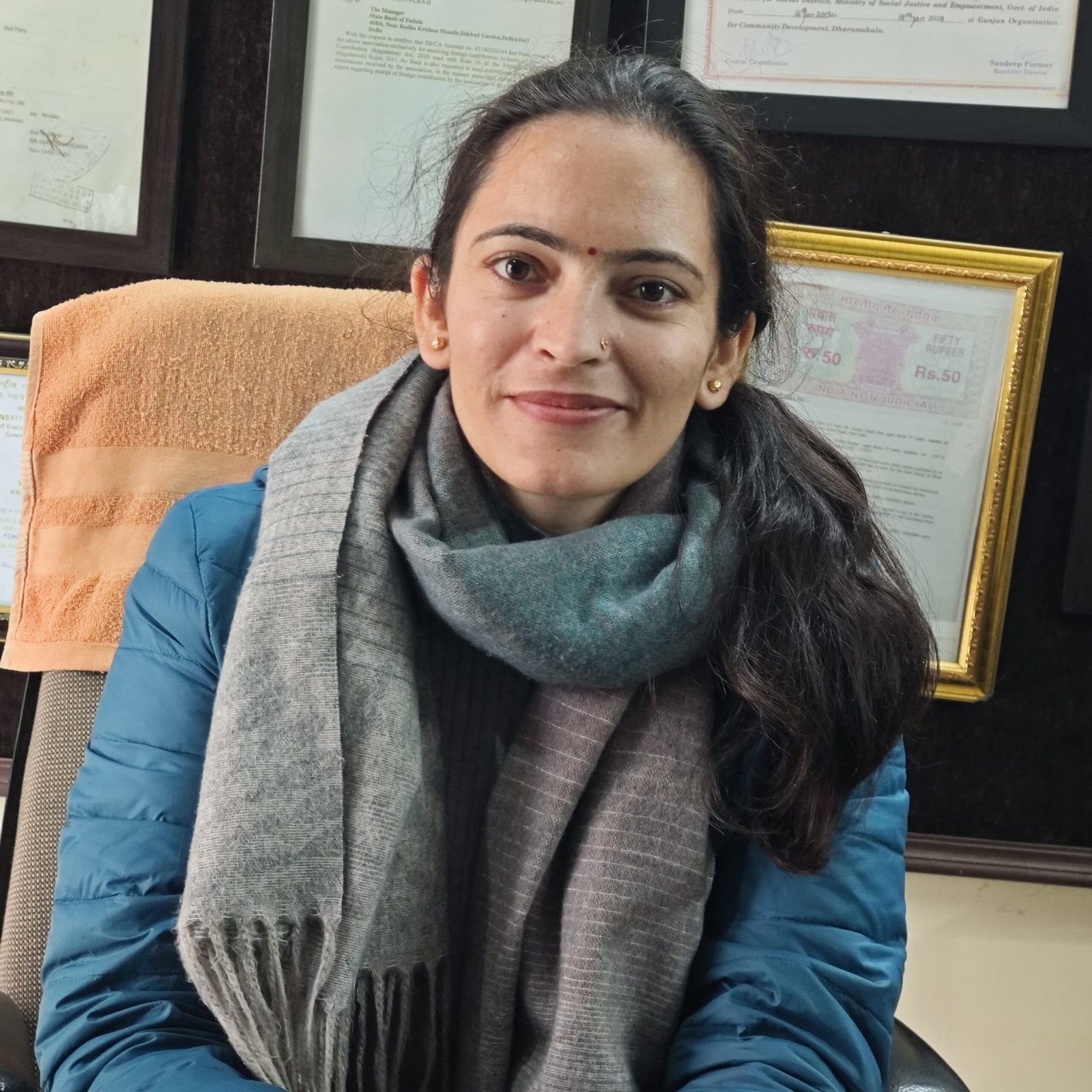
Leena Mehta, Counselling Psychologist
Leena Mehta is a counselling psychologist with over five years of experience, including direct work at Naya Savera Rehabilitation Centre in Himachal Pradesh. She holds a Postgraduate degree in Psychology, a PG Diploma in Guidance and Counselling, and an APA-authorised certification in online therapy.
Her time at a Himachal Pradesh rehabilitation centre gave her direct, ground-level experience of chitta and heroin addiction recovery in this specific region. She knows what a nasha mukti kendra can and cannot do. She understands what the transition from physical detox back into a Mandi household actually looks like, what makes relapse happen and what kind of psychological work changes those odds. She has worked with individuals who came out of rehab and fell back within weeks, and with families who had tried multiple rehabilitation programmes without lasting results. The psychological work she does with these individuals and families is what fills the gap that physical detox leaves open.
She is from Himachal Pradesh and conducts sessions in Hindi and English. For clients across Mandi district where Hindi is the natural language for serious personal conversations, that matters significantly.
Education
Postgraduate in Psychology
Diploma
PG Diploma in Guidance and Counselling
Rehab Experience
Naya Savera Rehab Centre, Himachal Pradesh
Clients
5+ Years, 1000+ People Supported
Coverage
Chitta Addiction Treatment Counselling Available Across All of Mandi District
Professional de-addiction counselling is available for individuals and families across every part of Mandi district. Sessions are conducted via secure video call or can be arranged for in-person discussion. Contact directly to discuss the best approach for your specific situation.
Counselling and Nasha Mukti
What Psychological Counselling Does That a Nasha Mukti Kendra Cannot Do Alone
This is the most important thing families in Mandi district can understand when trying to help someone recover from chitta addiction.
The Nasha Mukti Kendra Cleans the Body. Counselling Heals the Mind.
Physical detox at a nasha mukti kendra or rehabilitation centre addresses the withdrawal, the physical dependency, the medical supervision that severe chitta addiction requires. That is essential and it is what those facilities do well. What they cannot do is address why the person used in the first place. That work belongs to psychological counselling.
Why Mandi Families Face Relapse After Rehab
The person comes back from a nasha mukti kendra physically better. But they return to the same lanes in Sundernagar or Sarkaghat, the same peer networks, the same emotional vacuum that made using feel like the only option. Without psychological work on those specific triggers and patterns, relapse is not a failure. It is a predictable outcome of incomplete treatment.
Counselling Finds the Why Behind the Chitta
Nobody starts using chitta for no reason. Boredom, loneliness, economic hopelessness, trauma, peer pressure that felt impossible to resist, the need to escape something that had no other exit. Counselling identifies the specific emotional driver in this specific person and addresses it directly. Without addressing the why, the pull to use returns every time the emotion does.
It Supports the Whole Family, Not Just One Person
In Mandi district, chitta addiction affects entire family systems. Parents, siblings, spouses and children are all carrying something. Family counselling sessions help everyone in the household understand what is happening, develop a shared approach to supporting recovery, and take care of their own mental health through what is one of the most difficult things a family can face.
It Rebuilds the Identity That Chitta Took
One of the most overlooked parts of heroin and chitta recovery is what happens to identity. For people who have been using for months or years in Mandi, the substance becomes central to who they are, who they know, and how they spend time. Recovery requires building an alternative identity. Counselling specifically works on this, on purpose, on connection, on what a life worth staying sober for actually looks like for this person.
It is Private When a Nasha Mukti Kendra Cannot Be
Entering a rehabilitation centre or nasha mukti kendra in Mandi district means the community knows. For families in smaller towns and villages across the district, that social exposure is itself a barrier that stops many people from getting help. Counselling sessions are completely confidential. Nothing reaches the community. The person gets professional support without carrying the stigma of public rehabilitation.
Real Stories from Mandi District
What Families in and Around Mandi Say About De-Addiction Counselling
"My brother had been using chitta in Mandi for over two years. We got him into a nasha mukti kendra twice. Both times he relapsed within four months of coming home. The third time we added counselling with Leena alongside the rehab. She worked with him on what he was actually running from. He has been clean for fourteen months. The counselling is what made this time different."
Rajiv Sharma Client Family, Post-Rehab De-Addiction Counselling, Mandi Town"I was using chitta and cannabis both. I did not want to go to any nasha mukti kendra because everyone in Sundernagar would know. A friend told me about online counselling. I thought it would not work. After six sessions with Leena I understood my own addiction better than I had in years of using. I am not fully out yet but I understand what I am dealing with now, and that changed something."
Mukesh Rana Individual De-Addiction Counselling Client, Sundernagar"My husband came back from a rehabilitation centre physically better but still angry, still lost and completely unreachable emotionally. We started couple counselling with Leena to understand what had happened over the three years of his addiction and what we both needed to rebuild. She understood Mandi, she understood our situation, she did not make us feel like a case study. We are genuinely recovering together."
Priya Thakur Couple Counselling Client, Post-Rehab Recovery, Mandi DistrictSession Fees
Chitta Addiction Treatment Counselling Fees for Mandi Clients
Clear pricing, no hidden charges, no pressure to commit to anything before you are ready. Pay per session and decide as you go.
Individual
De-Addiction and Individual Counselling
For chitta, heroin, cannabis, alcohol, opioid or prescription drug dependency in Mandi district. Covers psychological triggers, relapse prevention, identity rebuilding and the emotional drivers behind substance use. Available in Hindi and English.
Book NowFamily
Family and Couple Counselling
For families and couples in Mandi district dealing with the damage chitta addiction has caused to relationships and household dynamics. Includes post-nasha mukti kendra family support during the highest-risk recovery period.
Book NowYouth
Teen and Youth Counselling
For teenagers and young people in Mandi, Sundernagar and Jogindernagar who are using substances and need a private, honest space without fear of consequences or immediate family notification.
Book NowMental Health and Well-being
Real perspectives and practical tools for a healthier mind.
Hidden Triggers of Anger and Control Techniques
What is actually underneath the anger, and how to stop reacting before it permanently damages the relationships and situations around you.

Why Friendship is More Important Than Communication in Marriage
Communication gets all the attention. But the couples who actually last tend to have something quieter and deeper underneath it.

The Synthetic Social: AI Relationships, Love, Grief and Mental Health
Millions are turning to AI companions for connection and support. What does that mean for how we actually relate to each other?
Common Questions
What Families in Mandi Ask About Chitta Addiction and De-Addiction Counselling
These are the real questions families in Mandi district search for when looking for help with chitta and heroin addiction. Anything else on your mind? Read our full FAQ page or reach out directly.
There are limited de-addiction facilities operating in and around Mandi district. For severe physical chitta or heroin dependency where medical detox is needed, a nasha mukti kendra or government de-addiction facility is the appropriate first step for managing physical withdrawal safely.
For the psychological side of chitta addiction, which is what determines whether someone stays clean after leaving a nasha mukti kendra, professional counselling from Vaishalya Healing is available for all clients in Mandi district. Reaching out to discuss your specific situation is the best starting point. Many families in Mandi use both: physical detox at a nasha mukti kendra followed by ongoing psychological counselling. Others use counselling alone when the dependency is more psychological than physically severe.
This is one of the most painful questions families in Mandi face, and it deserves a straight answer. Relapse after a nasha mukti kendra almost always happens because the psychological side of the addiction was never addressed. The body was detoxed. The mind was not.
When someone returns from a nasha mukti kendra to Mandi, they go back to the same environment, the same peer networks, the same emotional triggers and the same sense of purposelessness or pain that made using feel like the only option. Without structured psychological counselling that specifically works on those triggers and builds alternative coping systems, relapse is not a failure of willpower. It is a predictable outcome of incomplete treatment. The third time should look different from the first two, and adding professional counselling to the process is what changes those odds most significantly.
Mandi district registered 297 NDPS cases in 2025, the highest of any district in Himachal Pradesh, with 475 persons arrested and over a kilogram of chitta seized. Several geographical and structural factors explain this. Mandi sits at the junction of major Himachal road networks, making it both a transit point and a destination for the drug supply chain that enters from Punjab via Kangra.
Forensic analysis of chitta seized in Himachal specifically confirmed that the drug enters the state through the Kangra and Mandi corridor from the Golden Crescent route through Punjab. This makes Mandi one of the first major consumption zones after the supply chain enters the state. Alongside geographic factors, unemployment among young people, disconnection from education and limited alternative activities in many parts of the district create conditions where chitta dependency develops quickly once the drug becomes available.
Chitta is the local name for synthetic heroin, specifically diacetylmorphine. It is significantly more potent and more dangerous than cannabis, charas or bhang. While those substances create dependency over weeks or months of regular use, chitta can create physical dependency within days. Just a few milligrams can cause an overdose, and the drug is frequently adulterated with additional substances including fentanyl-like compounds that make it even more unpredictable.
The physical withdrawal from chitta is severe enough that most people cannot stop without medical supervision. The psychological hold it creates is even more persistent than the physical one. Many people in Mandi who have gone through physical detox at a nasha mukti kendra describe the psychological craving as stronger than the physical withdrawal was. That is why the psychological work with a trained counsellor is so essential alongside any physical treatment programme.
This is one of the most common and most difficult situations families in Mandi face. Someone in active addiction who is resistant to a nasha mukti kendra is unlikely to respond well to being forced in, and coerced recovery rarely produces lasting results. What does work is approaching the situation differently.
Starting with individual counselling sessions for the person with the addiction, framed as talking to someone rather than treatment, is often something people will agree to when they refuse formal rehabilitation. The privacy of a counselling session, compared to the social exposure of a nasha mukti kendra admission in Mandi's connected communities, removes a significant barrier. Many individuals who are resistant to rehab are willing to speak to a psychologist confidentially. Within that relationship, their own understanding of their addiction deepens in a way that can eventually motivate voluntary treatment. In the meantime, getting family counselling support for the rest of the household while waiting for the person to be ready is valuable work in itself.
A psychologist and a rehabilitation centre address different parts of the same problem. A rehabilitation centre or nasha mukti kendra with medical staff handles the physical detox, the withdrawal management and the immediate medical safety of someone in severe physical dependency. A psychologist handles the psychological side: the emotional reasons behind the addiction, the cognitive and behavioural patterns that sustain it, the identity work that makes recovery sustainable and the relapse prevention tools that actually work for this specific person in this specific environment.
Research consistently shows that the combination of physical detox and psychological counselling produces significantly better outcomes than either alone. In Mandi district, where physical rehabilitation options exist but psychological counselling support is very limited, Vaishalya Healing specifically fills that gap. The best chitta addiction treatment in Mandi uses both components in sequence or simultaneously.
Chitta and heroin addiction counselling is not a quick fix, and it would be dishonest to suggest otherwise. The psychological work that makes recovery from chitta sustainable typically spans several months of regular sessions. For most clients in Mandi who are in early to mid-stage recovery, meaningful psychological progress is visible within six to eight sessions. Deeper work on underlying drivers, relapse prevention and identity rebuilding typically continues over three to six months.
For clients who have relapsed multiple times after nasha mukti programmes, the work takes longer because the patterns are more deeply embedded and the psychological damage from repeated use and recovery cycles is more complex. But the direction of progress is clear and there is structure to the process, not open-ended talking. You book one session at a time. After the first few sessions, a realistic picture of the timeframe and what the work involves is shared directly so you can make an informed decision about continuing.
Your concern is well-founded. The progression from cannabis and charas to chitta has been documented in Mandi district and the wider Himachal Pradesh drug data. It does not happen automatically, but when a young person is in an environment where chitta is accessible and they are already accustomed to using substances to cope with boredom, anxiety or social pressure, the risk is real.
For a teenager using charas, a nasha mukti kendra admission is generally not the right first step and can sometimes increase resistance and damage the parent-child relationship further. Individual counselling specifically for teenagers, in a genuinely confidential space, is usually more effective. The young person can speak honestly without fear of consequences. The counsellor can assess the risk accurately and work on the underlying drivers before escalation happens. Getting support for yourself as a parent on how to talk to your teenager about this is also something that sessions can address. How you approach the conversation at home significantly affects whether your teenager becomes open to help.
No. Confidentiality is a core commitment at Vaishalya Healing and it is absolute. Nothing shared in a session is ever disclosed to anyone without your explicit consent. There is no physical clinic in Mandi where anyone might see you. Sessions happen on your phone from wherever you choose, and everything you share stays entirely between you and Leena Mehta.
In communities across Mandi district where the stigma around chitta addiction is significant and social networks are tight, this confidentiality is often what makes it possible for families to finally reach out. You can get proper professional support for something that is destroying your family's wellbeing without anyone in the community ever knowing. That privacy is not a side benefit. For many families in Mandi it is the single thing that makes getting help possible at all.
Three ways to reach us. Call or WhatsApp +91 70181 48449 directly. Email help@vaishalyahealing.com. Or visit the appointment page. If you are in a situation where you need to talk through the specifics before booking anything, the phone number above is the best starting point. There is no obligation, no judgment and no pressure in that initial conversation.
Individual de-addiction sessions are INR 1,000 per session. Family sessions are INR 1,600. There are no hidden charges and no package required before you decide this is the right support for your situation. A response usually comes back within 24 hours.
Take the First Step
Chitta Recovery in Mandi Needs More Than a Nasha Mukti Kendra. It Needs the Psychological Work Too.
Mandi has the highest NDPS case count in Himachal Pradesh. The physical rehabilitation options are limited and the psychological counselling support is even more so. Vaishalya Healing fills that gap directly. Whether someone in your family is in active chitta use, has just come out of a nasha mukti kendra, or has relapsed multiple times and you do not know what to try next, professional de-addiction counselling from a psychologist with direct Himachal rehabilitation centre experience is available for all clients across Mandi district.
-
Phone and WhatsApp +91 70181 48449
-
Session Hours Monday to Saturday, 10 AM to 5 PM
-
Serving Mandi Town, Sundernagar, Jogindernagar and All Mandi District
Vaishalya Healing is not a medical detox facility, residential rehabilitation centre or crisis service. If someone is in immediate medical danger due to a chitta or heroin overdose, call emergency services at 112 or go to the nearest government hospital immediately. For mental health emergencies, call iCall at 9152987821. The information on this page is for general informational purposes only and does not constitute medical advice.
Counseling
Help Center
Contact Us
Office Timings: Monday to Saturday, 10:00 AM to 5:00 PM
Address: Mohal Gugga Saloh
Tehsil Palampur, Distt. Kangra
Himachal Pradesh - 176102
Email: help@vaishalyahealing.com
Phone/WhatsApp: +91 7018148449